Apple Cider Vinegar Cures: a wealth of information
I found a site that has a ton of good information about apple cider vinegar and various cures it offers.
Read more...I found a site that has a ton of good information about apple cider vinegar and various cures it offers.
Read more...Ten Things You're Not Supposed to Know about the Swine Flu Vaccine is an article worth checking out. Especially alarming is the fact that this vaccine has been rushed out the door and, apparently, not tested on any humans.
I don't understand the hype over this. From what I've read, this is only really a concern for immune-compromised individuals, but I keep hearing about this in the news like it's something catastrophic. I'll keep following this, because I'm curious what's going to happen with this disease vaccine.
Fox news had an article about an anti-meat group pushing for cancer labels on hot dogs, and it's interesting to see stuff like this, because I don't think they are too far off. Warnings about limiting consumption might not be a bad idea - plus I'd like to see some warning labels about the sodium nitrates you generally find in Oscar Mayer products (I know that Oscar Mayer does make some meat products without nitrates, such as some of their hot dogs and bacon, but I haven't been able to find these at the store in a long time. Not sure if Walmart/HEB just aren't carrying these anymore, or if Oscar Mayer discontinued these particular brands.
In any case, I'm a content flexitarian: I try to go easy on the meat, and I enjoy mainly salads, vegetables, raw milk/yogurt/whey, as well as soaked/fermented grains... but don't tell me not to eat beef, chicken, eggs, or seafood, as I greatly enjoy these as part of my meals from time to time. I try to find natural grass-fed beef (generally a little more expensive, but worth it) for foods like tacos and chili. Natural chicken can be tricky to find (Whole Foods has it, but Whole Foods isn't close, or cheap, for that matter.)
I'm contentedly a flexitarian. I considered, and researched, vegetarianism and veganism in college, and determined that both of these were not the ideal direction. For one thing, I just enjoy the satiety that meats provide, that veggies just cannot. There are times I want meat, and a carrot just won't substitute (and I avoid soy proteins like the plague these days, per sites like this one, among others. The big thing that turned me off of the strict vegan direction was the inability of finding natural sources of vitamin B-12. You only get this from animal products, which just goes to show that we were designed to ingest animal products as part of our design. But because of the makeup of our digestive system, we also aren't designed to consume huge portions of meat, either. Unlike carnivorous lions and tigers, we have systems that slowly break down and absorb nutrients from foods, making vitamin-rich plant foods far more ideal than non-stop beef for dinner. Flexitarians, I also seem to recall reading (but I don't have a link to add here) generally outlive vegetarians and vegans, because of things like B-12 (I need to research into this more. It's a blog, so I'm not being graded for this stuff...)
I thought that this was an interesting article at Natural News, basically identifying a link with Creutzfeldt-Jakob disease (vCJD) (aka mad cow disease) and how it's finding it's way to farmed fish. I try to avoid farmed fish anyhow, since I've read it's generally not as healthy (with some exceptions, such as the farmed fish sold by Whole Foods, which have higher safety standards) but all the same, I prefer to purchase fish that's caught wild. Walmart, of all places, sells a decent wild salmon fillet for about $6, which isn't bad considering it's salmon, it's wild, and it's a large enough portion to feed the fam.
Read more...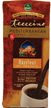
I'm currently a fan of Teeccino coffee, namely the hazelnut blend. This is a great-tasting coffee, without the caffeine. It's got a fascinating, rich flavor, and it's loaded with unique ingredients like organic roasted carob, organic roasted barley, and chicory root, etc. I've only been able to find it at health food stores, some grocery stores and some sites online, but it's worth finding.

I sampled some Vitaminwater 10 the other day, and found the flavor absolutely repugnant. This thing is going back to the store. Routinely artificial sweeteners have an awful taste to me (considered safe by the FDA, considered repulsive by me) but this drink doesn't have any of the usual culprits like aspartame, sucralose, splenda, etc. Rather, it's got something in it called "erythritol" (a "natural" sweetener, which I doubt is natural at all) and the flavor is just a wallop of chemical aftertaste. Artificial sweeteners usually dry out my mouth and throat, and if I drink enough, I get a headache, so I avoid this FDA-approved-to-be-safe additive, so I'm not sure what to think about erythritol, because it looks like this is the new artifical sweetener on the block and there's not a lot of information out there about this (here's one link on it on Mercola... good site but I can live without obnoxious pop ups asking for my email. Look, I want information - not a newsletter.)
I've just recently started reading "Nourishing Traditions" by Sally Fallon, and there is a wealth of information about preparing good, healthy recipes, many of which involve sprouted grains and fermentation. In fact, in a future post I'm going to show some steps I took recently to create curds and whey using raw cows milk (it was a fascinating experiment and the results were just great.) I've been trying to incorporate whey into recipes recently, and I'm going to post notes about that here as well.
An interesting, but somewhat vague, article from the AP about stricter labeling urged for bottled water. I would have liked to read more specifics about what it is that's wrong with bottled water. My own understanding is that, with time, the plastics of the bottle slowly seep into the water itself (ever drink water that had been sitting around in a plastic container that, when tasted, had a "plasticy" taste?)
I've also read that this effect can be magnified by leaving bottled water sitting out in the sun.
I'd like to see more labeling, and I'd also like to know that the bottled water (until tap) is free of fluoride (which should be avoided in drinking water. See here.)

I was in Walmart the other day and saw Centrum vitamins on the shelf. Just for kicks, I read over the nutritional content label, and was surprised to see that Centrum Silver contained not only FD&C Blue No. 2 Aluminum Lake, FD&C Red No. 40 Aluminum Lake, FD&C Yellow No. 6 Aluminum Lake but Hydrogenated Palm Oil?? Why would they make a multivitamin that contained unhealthy trans fats? That seems counter-intuitive: packing a vitamin with something that's bad for you.